
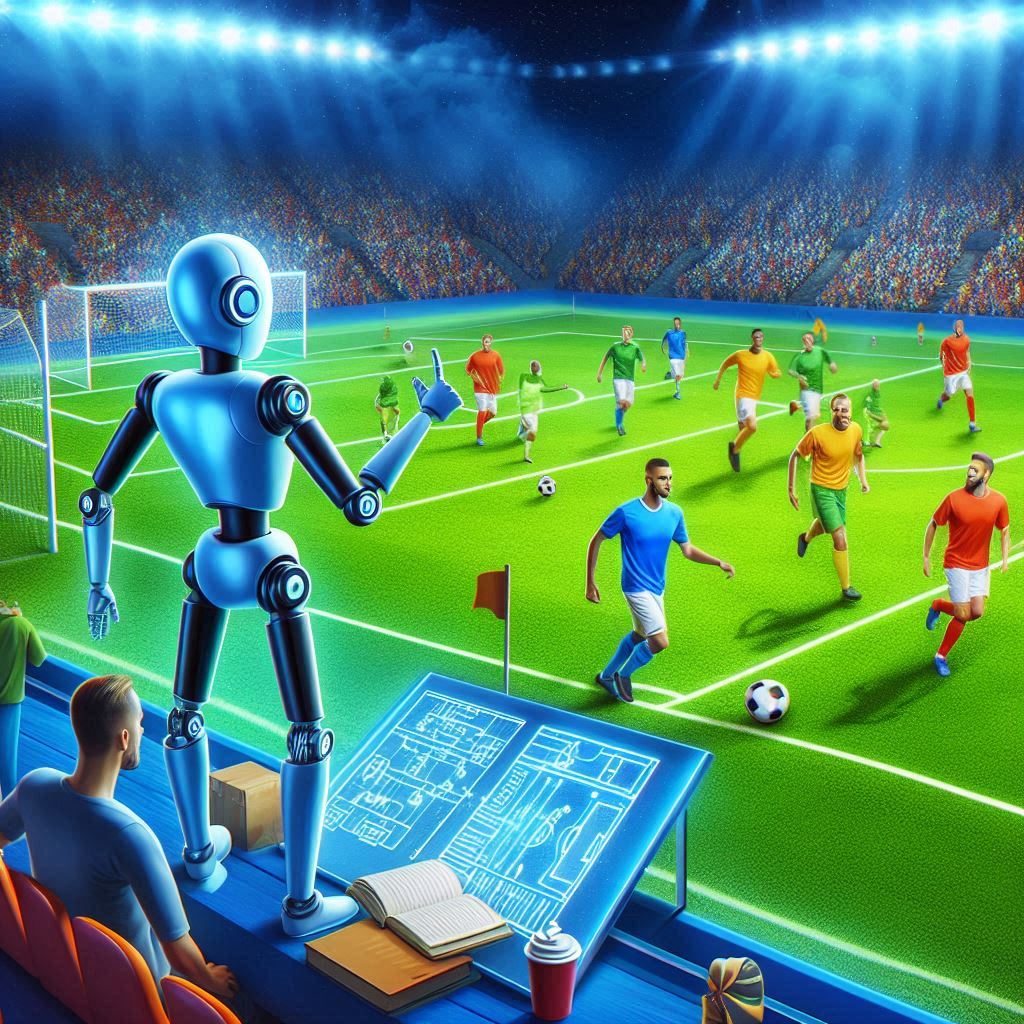
Artificial intelligence in football has arrived to revolutionize training and improve player performance. A prime example is the startup OGR, which has developed an innovative AI tool for young footballers, allowing them to refine their striking technique. This technology, based on machine learning algorithms and advanced sensors, analyzes shot accuracy in real time and offers personalized recommendations to optimize execution.
The implementation of AI in sports is not limited to individual training. Professional teams are incorporating sports data analysis through computer vision cameras that capture player performance in every match. This translates into playing patterns, physical stamina, and tactical efficiency, allowing coaches to make data-driven decisions and improve team performance.
Furthermore, AI-powered tactical analysis tools have transformed how teams plan their strategies. Software like Wyscout and Second Spectrum allows for the evaluation of not only one's own team's performance but also that of opponents, identifying strengths and weaknesses in real time. This enables the preparation of more effective plays and more precise decision-making at key moments in the match.
Another key advancement is injury prevention using AI . Wearable sensors connected to predictive algorithms can detect when a player is at risk of injury, based on biomechanical data and fatigue levels. This helps coaches adjust training loads and prevent prolonged absences.
Football and artificial intelligence are more intertwined than ever, and their impact will continue to grow in the coming years, offering innovative tools for both professional and amateur players.