
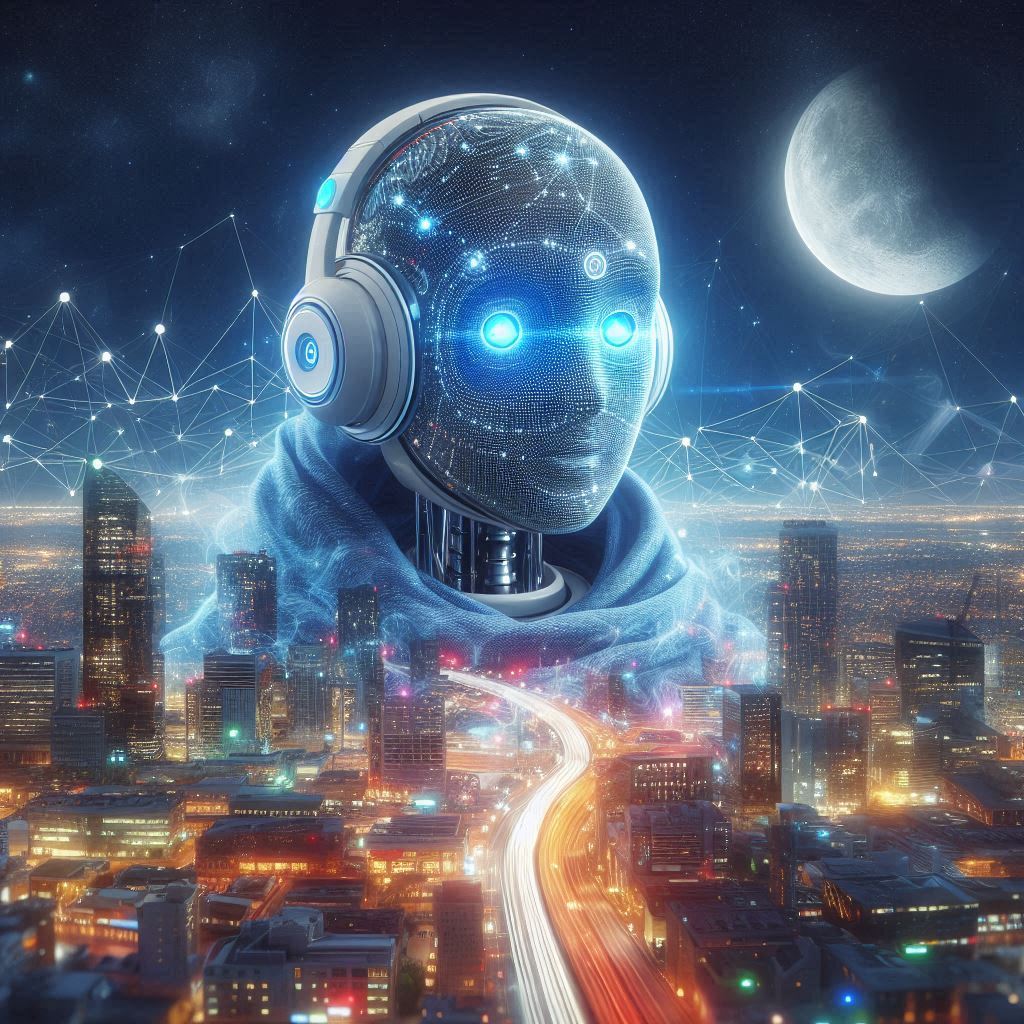
Virtual assistants, such as Siri, Alexa, and Google Assistant, have revolutionized how we interact with technology. However, the future of virtual assistants is taking an even more advanced turn. With improvements in AI and natural language processing (NLP), virtual assistants are evolving to offer more natural, personalized, and efficient interactions.
Innovations that are changing virtual assistants:
-
Emotional recognition : The new virtual assistants will be able to detect the emotional tone of the human voice, allowing them to adjust their responses according to the user's emotional state, improving interaction.
-
Contextual interactions : Thanks to AI, virtual assistants will be able to remember past contexts and make recommendations based on the user's previous preferences, making conversations more fluid.
-
IoT device integration : Virtual assistants will be increasingly integrated into IoT (Internet of Things) devices, allowing users to control a wider variety of devices with voice commands and improving their experience in homes and offices.
Training in the creation of virtual assistants
For developers, creating increasingly intelligent virtual assistants is an exciting opportunity. With the AI training offered by Brain and Code , you can learn to develop and optimize virtual assistants using the latest technologies in natural language processing and machine learning.